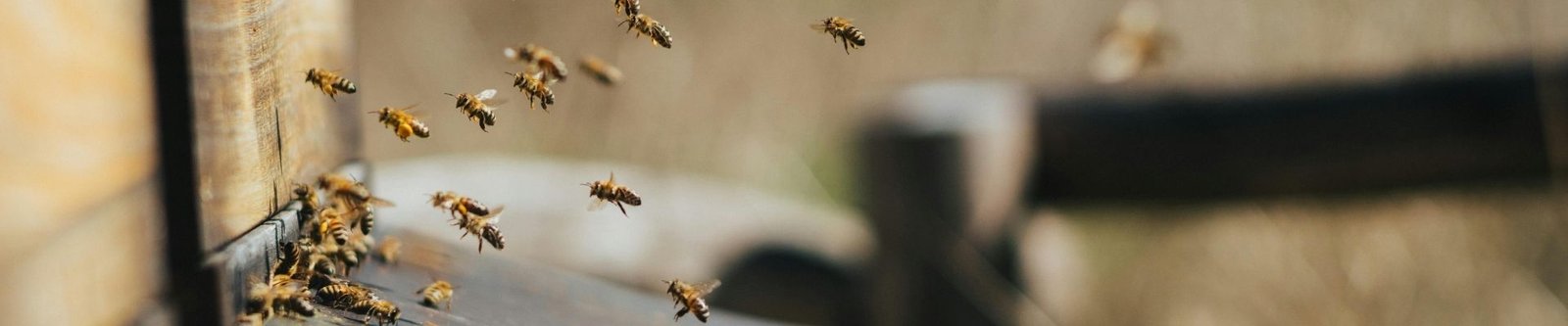
Ever wondered how that golden honey makes it from the hive to your jar? First, bees dance and buzz, transforming nectar into sweet goodness. During late summer, when the honeycomb is packed, it's time to harvest. With the right tools, like extractors and strainers, beekeepers carefully collect the honey, ensuring purity and rich flavor. Plus, buying local supports your community and keeps the environment healthy. Curious about more details on this sweet journey? There's so much more to discover!
Local Insights
- Honey is harvested in late summer when bees have maximized foraging and capped the honeycomb cells.
- Essential tools include hive tools, smokers, extractors, and strainers for efficient honey collection.
- The harvesting process involves checking hives, removing frames, and gently brushing bees off before extraction.
- Honey extraction utilizes centrifugal force in an extractor, filtering out wax and debris for purity.
- Lab testing ensures honey quality and purity, confirming the absence of contaminants and adherence to sustainable practices.
The Role of Bees in Honey Production
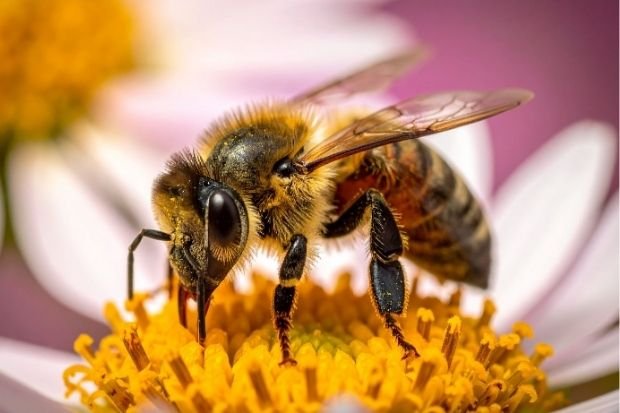
Have you ever wondered how those tiny bees create the sweet, golden goodness we call honey? It all starts with their remarkable communication skills. Bees use dances and pheromones to share information about flower locations, ensuring they maximize nectar collection. While they buzz around, they’re also busy with hive maintenance. Each bee has a role, whether it’s foraging, nursing larvae, or cleaning the hive. This teamwork is vital for the hive’s health and productivity.
As bees gather nectar, they transform it into honey through a fascinating process of evaporation and enzyme action. This isn’t just a job; it’s a freedom-driven effort. Each bee plays its part, ensuring the hive thrives and produces that sweet treasure we love. So, next time you savor honey, remember the incredible role these tiny creatures play in this delicious journey from flower to jar. Isn’t nature amazing?
Understanding the Honey Harvesting Season
As summer rolls in and flowers bloom, you might find yourself wondering when the best time is to harvest honey. The honey harvesting season kicks off when the bee foraging hits its peak, typically late summer. During this time, bees are busy collecting nectar, turning it into the sweet golden delight we love. You’ll notice their honeycomb structure filling up, showcasing their hard work.
But how do you know it’s time to harvest? Look for capped honeycomb cells—this indicates that the honey is ripe and ready. Waiting too long can lead to moisture issues, so timing is key! Remember, these tiny artisans depend on your respect for their process. Harvesting at the right moment guarantees you get the best flavor while keeping your buzzing buddies happy. So, get ready to explore a season that’s all about sweetness and freedom! Are you excited?
Tools and Equipment for Honey Extraction
What tools do you need to extract honey like a pro? First off, you'll need a hive tool to pry open those frames and inspect the honeycomb structure. Trust me, it’s a game-changer! Next, grab a smoker to calm your bees; they appreciate a chill vibe while you work.
Once you’ve got that honeycomb ready, an extractor is essential. This nifty device uses extraction techniques like centrifugal force to spin the honey out without damaging the comb.
Don’t forget a strainer to filter out any debris and a bucket to collect the liquid gold. And hey, a pair of gloves is a must—sticky hands are no fun!
With these tools in hand, you're well on your way to enjoying the sweet freedom of your own honey harvest. So, are you ready to plunge in? Let’s get buzzing!
Step-by-Step Process of Harvesting Honey
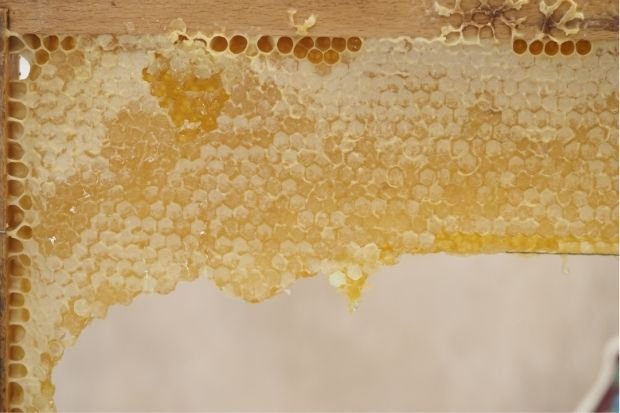
Once you've gathered your tools and you're ready to plunge into the sweet world of honey harvesting, it’s time to get down to business! First, check your hives to guarantee proper hive management. Are the bees calm? If so, gently remove the frames filled with honey.
Next, use a bee brush to sweep any bees off the frames—no one wants a buzzing party crasher!
Now, it’s time to extract that golden goodness. Place the frames in your extractor and spin them, allowing centrifugal force to do its magic.
Finally, filter the honey to remove any bits of wax or debris.
Here’s a quick overview:
| Step | Description |
|---|---|
| Hive Check | Guarantee calm bees and proper management |
| Frame Removal | Gently take out honey-filled frames |
| Extraction | Spin frames in the extractor |
| Filtering | Remove impurities for pure honey |
Enjoy your sweet reward!
How Do We Ensure Honey Purity and Quality?
When you enjoy a spoonful of honey, ever wonder how we keep it pure and first-rate? We put our honey through rigorous lab testing, so you can trust what’s in that jar. Plus, sustainable beekeeping and transparent sourcing methods guarantee you’re getting the best of nature, straight from the hive to your table.
Rigorous Laboratory Testing
To guarantee your honey is pure and of the highest quality, we dive deep into rigorous laboratory testing. You might wonder, what does that involve? First, we adhere to strict testing protocols that ensure every jar meets our high standards. From sugar content to potential contaminants, we leave no stone unturned. Laboratory safety is our priority; our team wears protective gear and follows guidelines to keep everyone safe while delivering you the best. We analyze samples meticulously, ensuring that each batch is as sweet as nature intended. After all, you deserve honey that’s not just tasty but also trustworthy. So, when you savor that golden goodness, know that it’s been through the ultimate quality check!
Sustainable Beekeeping Practices
Sustainable beekeeping practices aren’t just a trend; they’re essential for guaranteeing your honey remains pure and high-quality. By creating bee-friendly landscapes and practicing sustainable hive management, you help your bees thrive while boosting honey quality. Think about it: when bees have access to diverse flowers, they produce richer flavors.
Here’s a quick look at key sustainable practices:
| Sustainable Practices | Benefits |
|---|---|
| Plant native flowers | Attracts local pollinators |
| Avoid pesticides | Protects bee health |
| Rotate hives | Prevents disease spread |
| Monitor hive conditions | Ensures ideal production |
| Educate the community | Promotes awareness |
Transparent Sourcing Methods
While many people enjoy honey’s sweetness, not everyone thinks about how it gets from the hive to your table. You deserve to know that we prioritize transparent sourcing methods to assure honey purity and quality. Our beekeepers consciously practice bee habitat conservation, allowing hives to thrive in natural settings. This means healthier bees, which in turn, produce the finest honey.
But wait—ever heard of honey fermentation? It’s a natural process that can enhance flavors, but we monitor it closely to maintain quality. By combining sustainable practices with careful sourcing, we guarantee that every jar you open is filled with the goodness of our bees’ hard work. Isn’t it empowering to know where your honey comes from?
Bottling and Packaging Our Honey
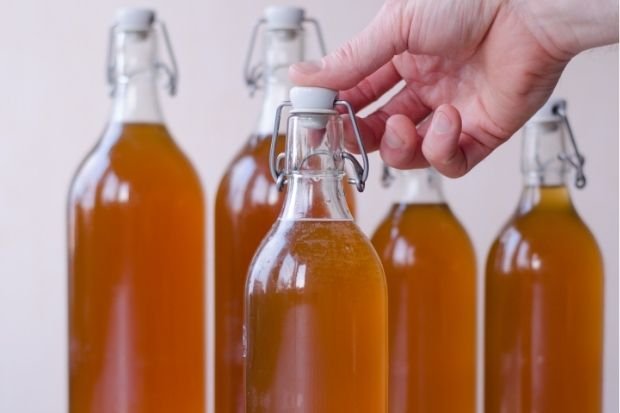
Have you ever wondered what happens after the bees do their magic? Once the honey's harvested, it’s time for the real artistry to shine—think honeycomb artistry! We carefully extract the golden goodness, ensuring it retains all those delightful flavors. But bottling isn’t just about filling jars; it’s a dance of packaging innovation.
We choose containers that not only preserve freshness but also showcase the honey’s natural beauty. Have you seen those elegant jars that look like they belong on a kitchen counter? They do more than hold honey; they tell a story of nature’s labor. Each bottle is designed with you in mind, making sure you get the best experience when you open it.
The Benefits of Local Honey for Consumers
After all that careful bottling, you might wonder what makes local honey so special for consumers. Well, it’s not just about the sweet taste; it's also about the unique honey flavor that comes from local flowers. When you choose local honey, you’re supporting your community and enjoying a product that's fresher and often more flavorful than mass-produced options.
But there’s more! Local honey boasts some impressive health benefits too. It’s packed with antioxidants and can even help with seasonal allergies, as it contains pollen from your area. Who wouldn’t want a tasty treat that also boosts their well-being?
Plus, there’s something liberating about knowing where your food comes from. You’re not just buying honey; you’re connecting with local beekeepers and embracing the essence of your region. So next time you’re at the store, remember, local honey isn’t just delicious—it’s a step towards a healthier, more connected lifestyle!
Frequently Asked Questions
How Do Bees Communicate During Honey Production?
Bees communicate during honey production using pheromone signaling and the waggle dance. When a bee finds a good nectar source, it releases pheromones to share the excitement. Then, it performs the waggle dance, showing others the direction and distance to the flowers. Isn’t it fascinating how these tiny creatures coordinate such complex behaviors? So next time you enjoy honey, remember the teamwork involved—who knew bees could be such skilled communicators?
What Flowers Contribute to the Flavor of Honey?
Think of bees as nature's chefs, crafting honey from an array of floral varieties. Each flower offers its unique nectar sources, shaping the honey's flavor profile. Ever wonder why some honey tastes like wildflowers while others hint at citrus? It’s all in the blossoms! Lavender, clover, and orange blossoms all contribute their distinct notes. So, next time you savor a spoonful, consider the journey each flower took to your jar. Isn’t that sweet?
Can Honey Spoil or Go Bad?
Yes, honey can spoil, but it’s pretty rare! Proper honey preservation keeps it safe for years. Look out for spoilage indicators like unusual smells, colors, or textures. If your honey starts to crystallize, don’t panic—that’s natural! Just warm it gently. So, what’s your plan for storing that sweet golden goodness? Keep it in a cool, dark place, and you’ll be good to go. After all, who doesn’t want a forever supply of honey?
How Does Weather Affect Honey Production?
Weather’s like a fickle friend when it comes to honey production! Climate variability and seasonal shifts can really shake things up. If it’s too hot or too cold, bees struggle to gather nectar, impacting your honey supply. Don’t you love how a sunny day can lead to a sweet harvest? But when storms roll in, it’s a different story. How do you think your local bees are handling the weather dance?
What Are the Different Types of Honey?
There are several types of honey, each with its unique flavor and color. You’ve got wildflower honey, clover honey, and even buckwheat honey, among others. The bee temperament can affect the taste, too! When bees gather nectar from different flowers, they create distinct profiles. Curious about the harvesting methods? Whether you’re using traditional or modern techniques, each type of honey tells a story. Which flavor are you excited to try first?
Summary
So, the next time you savor a spoonful of honey, remember that it takes about 2 million flower visits for bees to produce just one pound of the sweet stuff! That’s a lot of buzzing, right? By choosing local honey, you’re not just enjoying a delicious treat; you’re supporting local ecosystems and farmers. Isn’t it amazing how something so simple can connect us to nature? Grab a jar, and let the bees’ hard work sweeten your day!